
Date: 11 or 12 September
Location: All over the Country.
Ethiopia has its own church calendar which is different from the Grigorian calendar and so is 8 years behind that of the Western Calendar. It has a Leep Year every four years, 30 days, 13 months, and the last month is called Pagume which is 5/6 days depending on the Leep Year.
It falls on Meskerem 1st which is September 11 or September 12 on Leap Year. It is 2015 in the Ethiopian calendar while it is 2023 for the Europeans and the difference in date is because the Ethiopian Orthodox Church puts the Birth of Christ at 7BC.
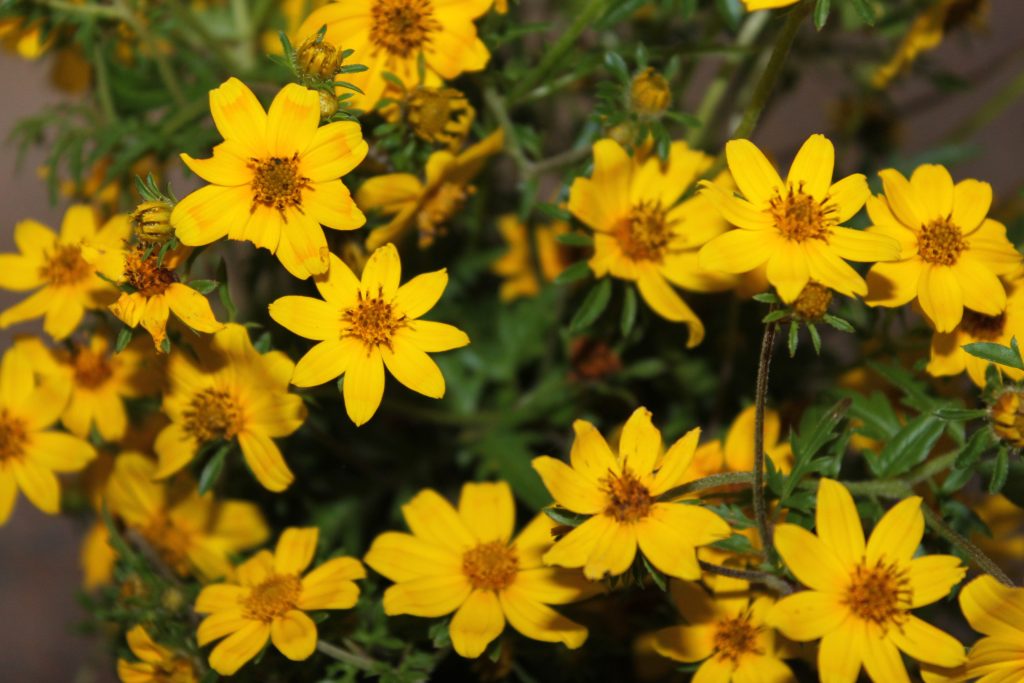
The New Year coincides with the beginning of the end of the rainy season (though the rain continues for some weeks ahead more sunny weather is ensuing) and is heralded by the seasonal blossoming of the National flower, Adey Ababa (Baidens Macropetra).
The New Year is celebrated all over the country and in the early morning, after church service, girls and boys visit families by giving bouquets of yellow flowers as a symbol of New Year Wish. The day itself is a big feast day for the family.
The word Enkutatash is dated back to the time of the Queen of Sheba or Saba (Makeda for the Ethiopians), and it means a “Gift of Jewel” tradition has it that the Queen of Sheba was presented with Enku or Jewel from her chiefs to replenish her treasury as she arrived from her visit King Solomon in Jerusalem in 980BC.
Ethiopia Odyssey Clients can visit and attend this colorful new year ambiance wherever they are in the Country!
This Ethiopian New Year Festival can be tailored along with extended tours either the northern historic route, Omo Valley, or Trekking, bird watching, and coffee tours.
Contact us for more details: ethiopiaodyssey@gmail.com/ info@ethiopiaodyssey.com
Book This Tour